Hemp seed oil is pressed from the seeds of Cannabis sativa. The seeds do not naturally contain cannabinoids like CBD or THC; at most, only trace amounts may be introduced during harvest. That distinction is crucial for shoppers: hemp seed oil functions primarily as a nutritious cosmetic emollient, not a cannabinoid treatment.
Nutritionally, hemp seed oil is rich in polyunsaturated fatty acids—especially linoleic (omega-6) and alpha-linolenic (omega-3)—often near a 3:1 ratio. This profile helps soften hair, improve slip, and support the scalp’s barrier by limiting transepidermal water loss when formulated correctly. While most evidence is extrapolated from skin and nutrition data rather than head-to-head hair trials, the fatty-acid composition is well established.
By contrast, “cannabis extract” for cosmetics usually refers to extracts from the plant’s aerial parts (flowers and leaves) containing cannabinoids—most commonly CBD. Early dermatology research suggests CBD has anti-inflammatory and sebostatic actions on sebocytes, mechanisms that could be relevant to oily scalp, scalp discomfort, and flake-prone conditions. A small clinical study reported sebostatic benefit with a CBD-containing shampoo over 14 days, though larger, controlled trials are still needed. For now, evidence for CBD’s direct effects on hair fiber strength, breakage, or growth remains preliminary.
What does this mean for haircare choices? If the goal is softness, frizz control, and lightweight conditioning, hemp seed oil can be a sensible ingredient in shampoos, conditioners, and serums because of its emollient and occlusive properties. It behaves similarly to other seed oils but with a favorable essential fatty-acid balance that supports scalp comfort and hair feel. If the goal is to address scalp oiliness or irritation associated with inflammatory conditions, products formulated with verified CBD content may offer added utility—recognizing that outcomes vary, dose matters, and robust hair-specific trials are limited.
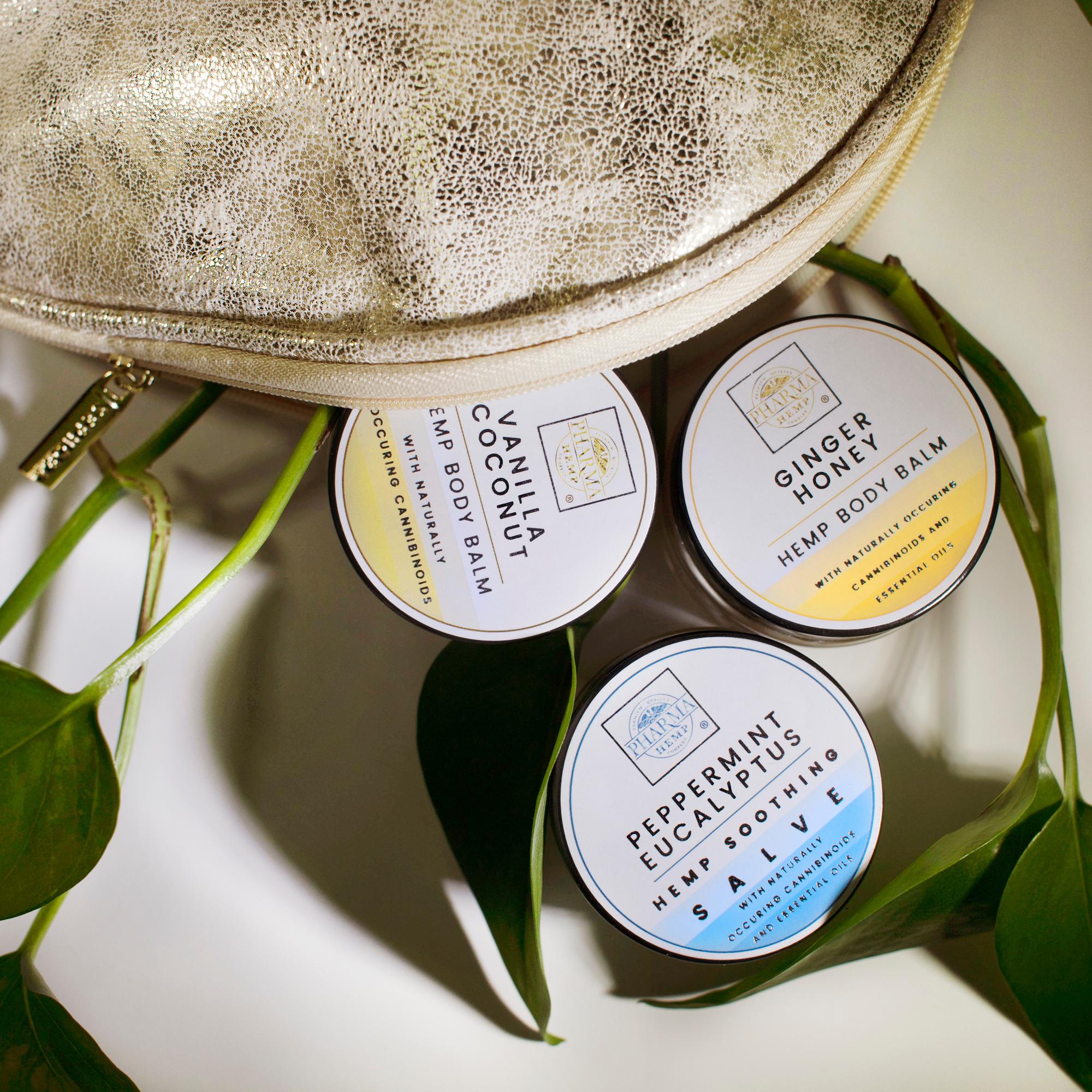
Label literacy is essential. “Cannabis sativa seed oil” (hemp seed oil) is not the same as “CBD,” and brands sometimes blur the terms in marketing. Consumers should check the ingredient list: hemp seed oil will appear as Cannabis Sativa Seed Oil; CBD may appear as cannabidiol or “hemp extract,” ideally with a stated milligram amount and a recent certificate of analysis (COA) from third-party testing. U.S. regulators also caution that CBD cosmetic products cannot make drug-like claims, and mislabeled cannabinoid items remain common—another reason to prefer reputable manufacturers and transparent testing.
In summary, hemp seed oil and cannabis extract serve different purposes. Hemp seed oil primarily conditions hair and comforts the scalp via its fatty-acid profile, while cannabis extract (CBD) targets scalp biology with anti-inflammatory and sebum-modulating activity that is promising but not yet definitive for hair outcomes. Consumers should choose based on their hair goals—conditioning versus scalp-targeted care—and verify labels to ensure they are purchasing what they intend.