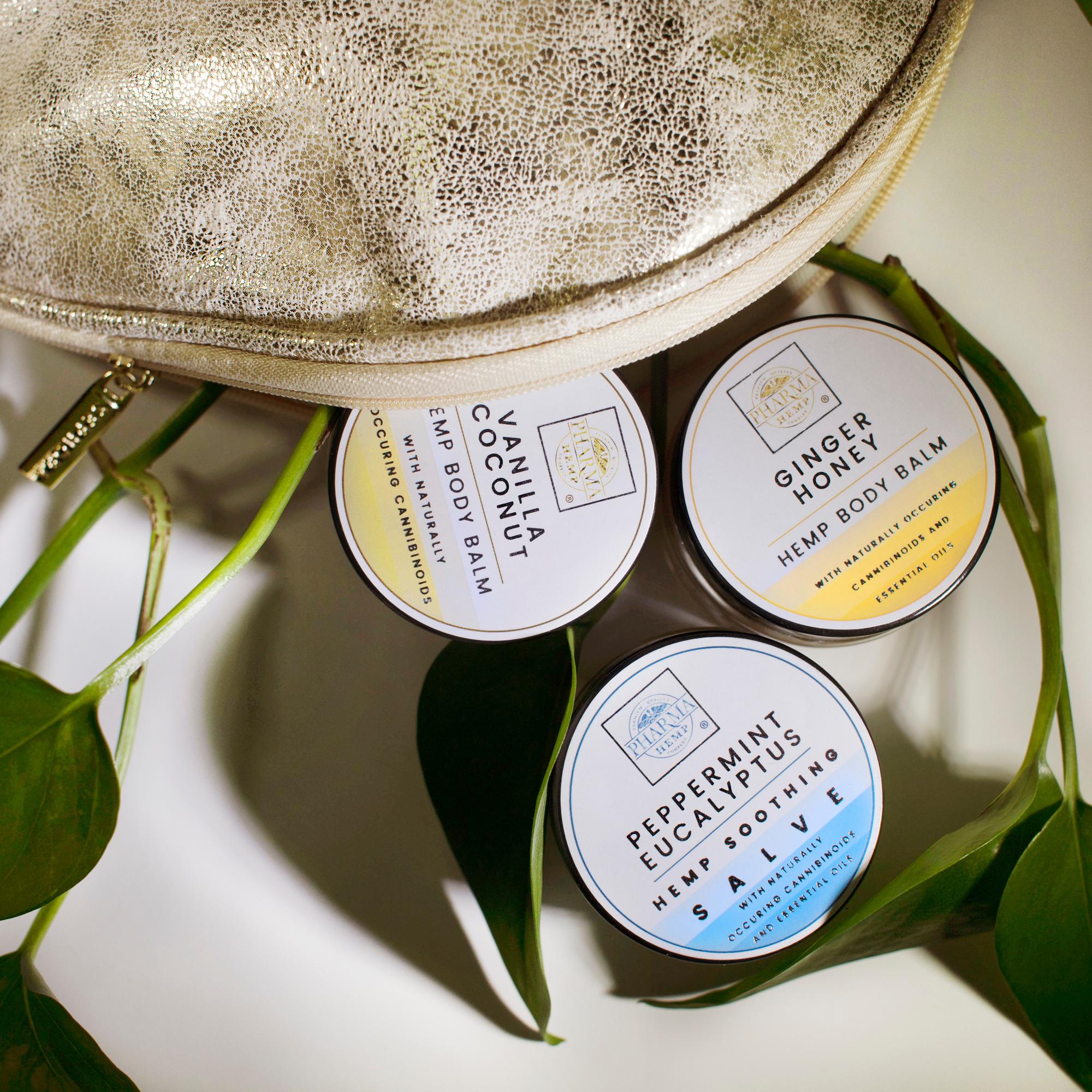
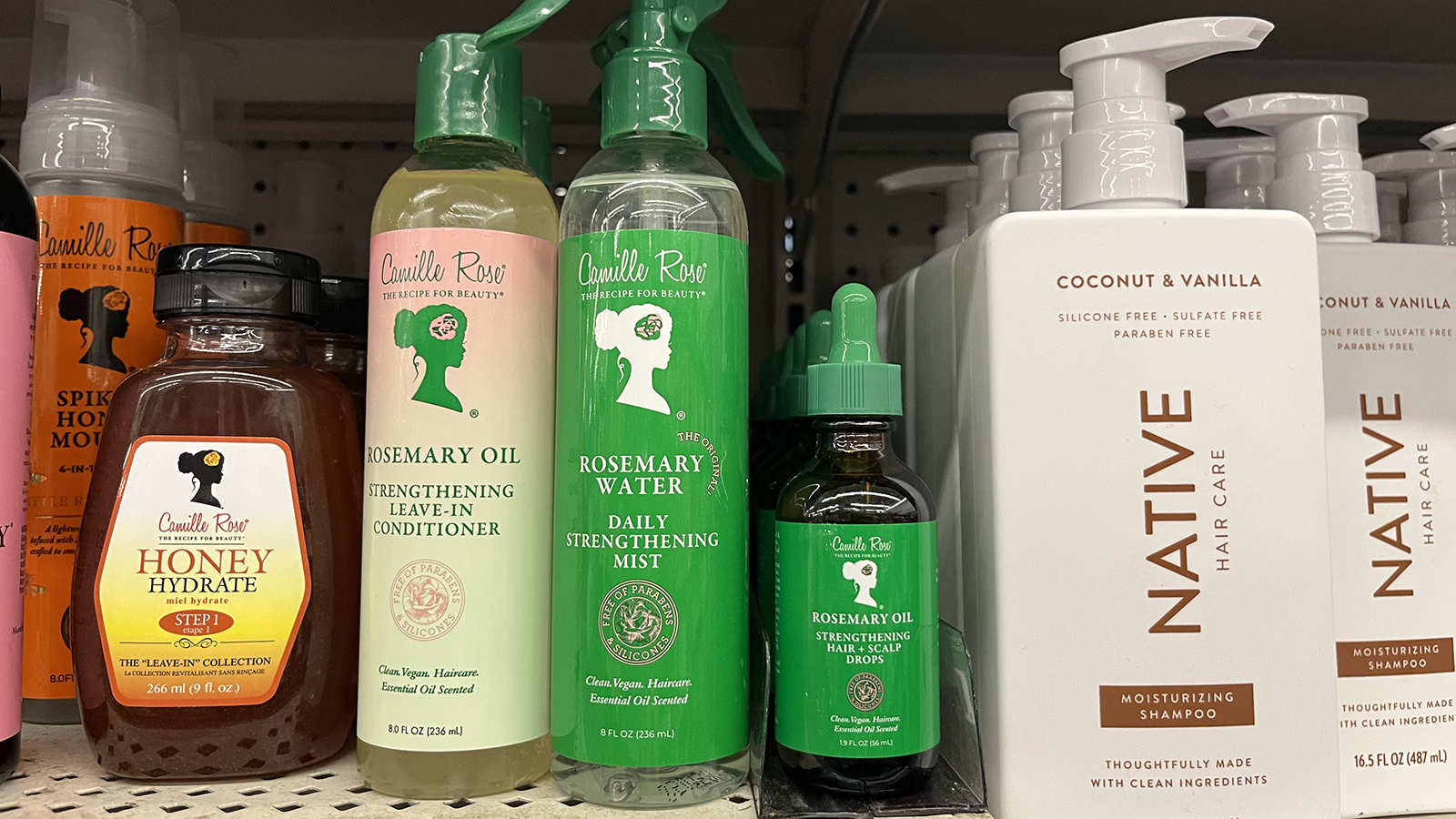
For shoppers exploring the expanding world of cannabis-infused beauty, the differences between cannabis and hemp hair care products can be surprisingly complex—especially when comparing what’s sold in dispensaries versus what’s found at a Walmart or shopping mall.
Dispensaries sell state-regulated cannabis products that may include cannabinoids like CBD and, in some states, trace amounts of THC within state limits. These products must pass laboratory testing and comply with strict state guidelines before they can be sold. Every package must carry batch and lot numbers, potency information, universal warning symbols, and ingredient disclosures. Dispensary hair care lines are typically developed within regulated cannabis supply chains, offering verified cannabinoid content and transparent production details.
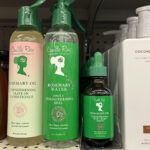
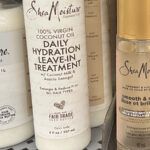
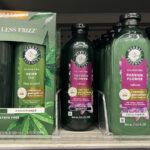
By contrast, mainstream retailers such as Walmart or mall beauty stores primarily sell hemp-derived cosmetics. These include two main categories: traditional hemp seed oil formulas and hemp-derived CBD topicals. Hemp seed oil products are rich in fatty acids and known for their moisturizing properties, but they contain little to no cannabinoids like CBD or THC. They are valued for hydration and shine rather than the therapeutic effects associated with cannabinoids.
Hemp-derived CBD topicals are a newer addition to mainstream retail shelves. These products use CBD extracted from legally defined hemp containing less than 0.3% THC. Large retailers now carry select topical CBD items, while high-end beauty chains have created their own standards requiring third-party lab testing and certificates of analysis (COAs) for all CBD cosmetics.
The difference in where these products are sold largely comes down to federal and state regulations. Under the 2018 Farm Bill, hemp was removed from the Controlled Substances Act, allowing hemp-based products to be sold nationwide as long as they meet THC limits. Non-hemp cannabis products, however, remain federally restricted and can only be sold through licensed dispensaries within legal states.
Both hemp and cannabis hair care products must still comply with cosmetic regulations under the Modernization of Cosmetics Regulation Act (MoCRA), which requires product registration, facility listing, and adherence to safety reporting and labeling standards. But only cannabis-based products sold through dispensaries undergo potency testing and contamination screening as part of state compliance.
For consumers, the easiest way to tell them apart is by reading the label. A dispensary product will typically list active cannabinoids, potency levels, and a QR code linking to test results. Retail products often list “Cannabis Sativa Seed Oil,” which indicates seed-derived oil with no cannabinoids, or “Cannabidiol” or “Hemp Extract,” which may contain CBD. Shoppers should always look for transparent ingredient information and, ideally, a COA from the manufacturer.
Ultimately, the best option depends on personal goals. Dispensary hair products provide verified cannabinoid levels and are ideal for those seeking targeted scalp or hair health benefits from CBD or THC. Retail hemp hair products are easier to find and focus more on moisture and nourishment from natural oils. Understanding the label empowers consumers to choose confidently—whether they’re browsing a dispensary shelf or a shopping-mall beauty aisle.